Human Models Address Different Therapeutic Questions
The UK’s National Centre for the Replacement, Refinement and Reduction of Animals in Research (NC3Rs) announced the 2026 International 3Rs Prize on October 27, recognizing Weiqiang Chen for work performed at New York University. Kevin Achberger and Esther Becker received highly commended awards. The prize recognizes papers published between September 2022 and September 2025.
Leukemia-on-Chip and CAR T-Cell Responses
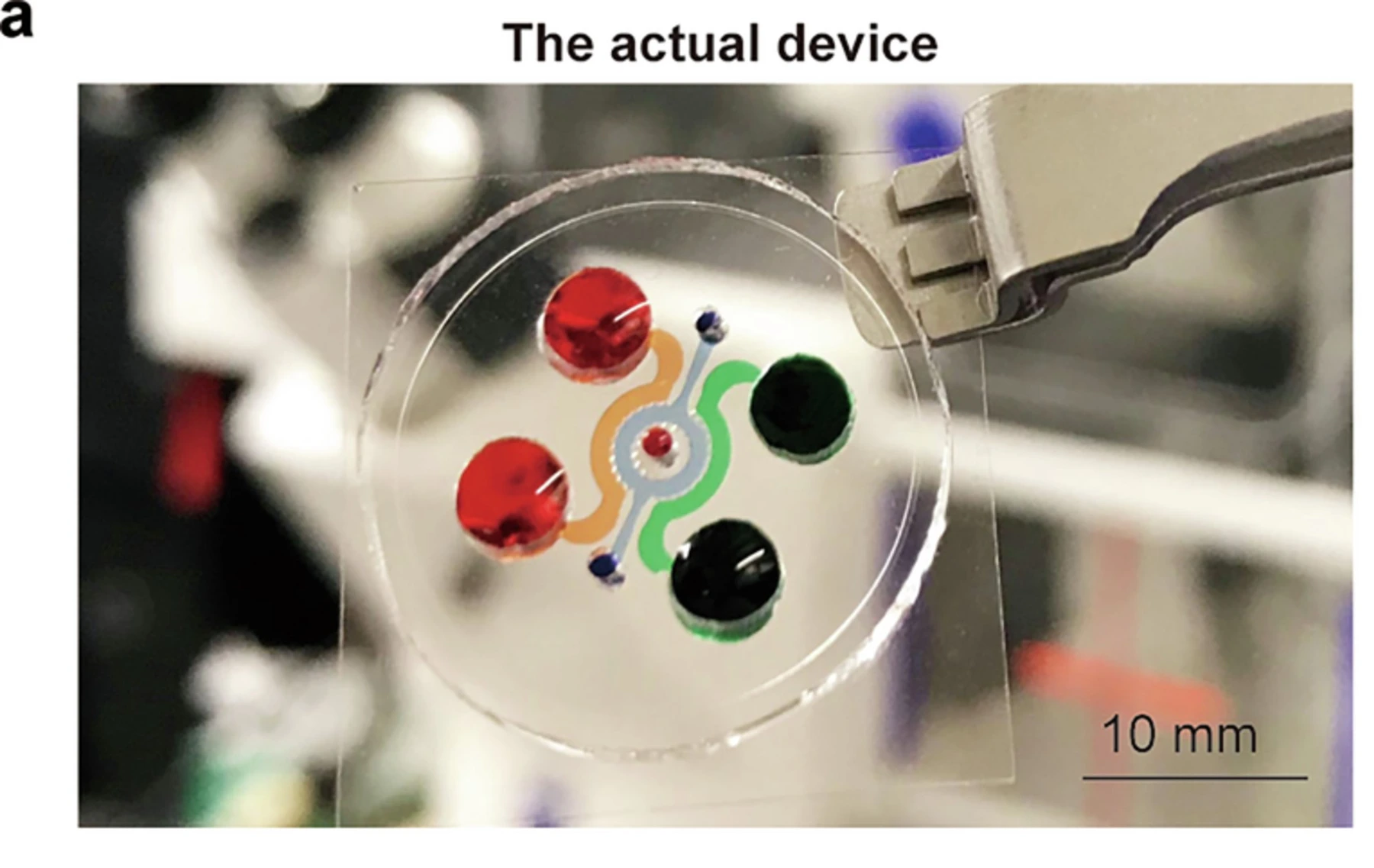
Chen’s team combined human bone-marrow, stromal and immune cells in an interconnected chip to evaluate chimeric antigen receptor (CAR) T-cell therapies. The NC3Rs report describes use of data from 209 leukemia patients to reproduce clinically observed patterns of remission, resistance and relapse. The grant will support standardization for higher-throughput screening, a patient-response assessment protocol and further comparison with patient outcomes.
Retinal and Cerebellar Models
At the University of Tübingen, Achberger’s team combined patient-derived retinal organoids with a chip to assess an experimental gene therapy for CLN2 disease, a form of Batten disease. Disease-related features improved in the model, and NC3Rs reports that the efficacy data supported authorization of a first-in-human trial. Becker’s University of Oxford team used human cerebellar organoids to study medulloblastoma. The organoids showed increased cell growth, genomic instability and molecular profiles resembling patient tumors, addressing species differences that can limit mouse models.