NIH Transporter Network Brings NAMs to Early-Life Exposure Questions

A four-center NIH network is studying transporters in the placenta, mammary gland, pediatric intestine and brain. Its published overview describes how organoids, microphysiological systems and computational models contribute to that research strategy.

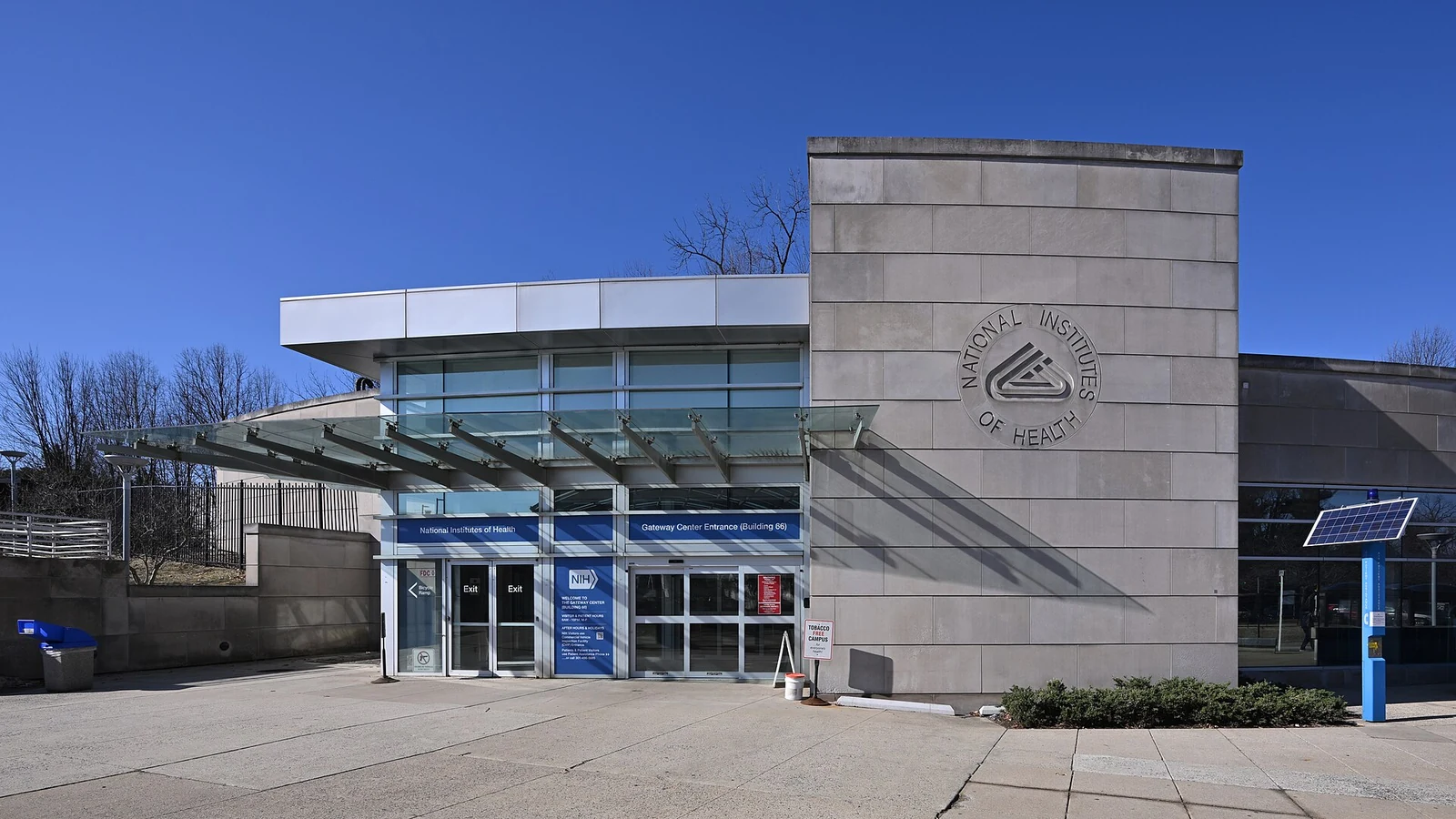
Gateway Center entrance to the NIH campus in Bethesda, Maryland.
The NIH Gateway Center in Bethesda, photographed in February 2025. (G. Edward Johnson, CC BY 4.0)

Transport Changes Before and After Birth

Drug exposure in pregnancy and childhood depends partly on transport proteins at tissue barriers. The placenta and lactating mammary gland mediate transfer from mother to fetus or infant; the intestinal and blood–brain barriers also change as children develop. An overview in Clinical Pharmacology & Therapeutics describes how the National Institutes of Health (NIH) Transporter Elucidation Network (TEN) is approaching these questions.

NIH launched TEN in 2023 across four centers. The network aims to identify solute carrier (SLC) and ATP-binding cassette (ABC) transporters in the human placenta and mammary gland and at pediatric brain and intestinal barriers, then characterize where they are located, how they function and how their activity is regulated.

Experiments and Models Address Different Parts of the Problem

TEN uses structural biology, proteomics, metabolomics, organoids, liquid biopsies and microphysiological systems to study transporters in human tissues. Machine learning, virtual screening, physiologically based pharmacokinetics and perinatal epidemiology complement the experimental work. The network examines nutrients, supplements, medicines and environmental chemicals.

The program brings pregnancy and pediatric barriers into one research network while allowing each tissue’s transporter location, function and regulation to be studied on its own terms.

Sources

  1. Wang J et al. Advancing Pregnancy and Pediatric Science through the NIH Transporter Elucidation Network. Clinical Pharmacology & Therapeutics. 2026. DOI: 10.1002/cpt.70517.