Approaches & Applications

NAMs in Drug Safety Assessment

Human-relevant experimental and computational approaches to drug safety, from cardiac effects to tissue-specific toxicity.

Follow research and regulatory developments concerning NAMs in drug safety assessment. This application collection brings together relevant cellular models, organoids, organ-on-chip systems and computational methods.

The emphasis is on the safety question and the evidence obtained: the exposure, measured endpoint, comparison and validation setting. Research findings, proposed regulatory approaches and established requirements retain their distinct status. Links lead to the underlying coverage and available method profiles.

Research & Analysis

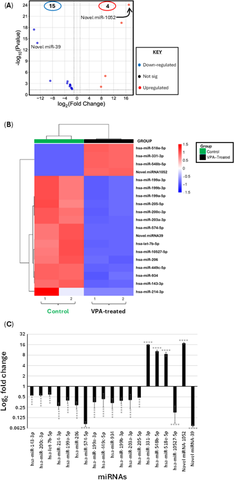
Valproic Acid Changes miRNA Profiles in Human Hippocampal Organoids

Researchers exposed human hippocampal organoids to valproic acid for four days, then profiled mRNA and miRNA. They found 19 altered miRNAs and tested selected target sequences in HEK-293T reporter cells, with limited replication from one iPSC line.

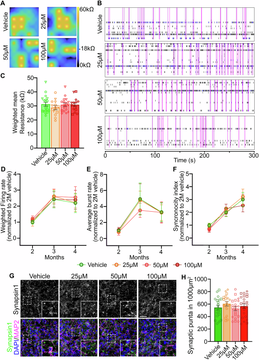
Cortical Organoids Show Limited Effects After Brief Acetaminophen Exposure

Researchers exposed human cortical organoids to acetaminophen for five days and followed structural, transcriptomic and network outcomes for several months. Small early transcriptional changes did not translate into detectable differences in later cellular composition or the measured functional endpoints.

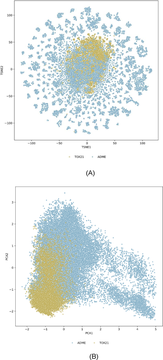
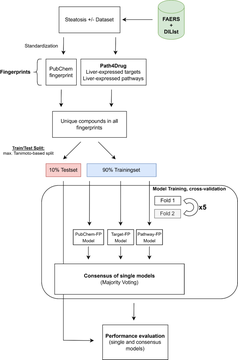
NephroTox AI's Higher External AUC Comes With 21.7% Coverage

An academic kidney-toxicity model reached an AUC of 0.727 across 247 external compounds. Restricting the analysis to high- or medium-confidence predictions raised AUC to 0.902, but retained only 21.7% of that set.

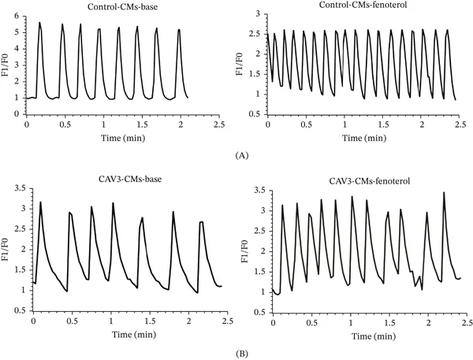
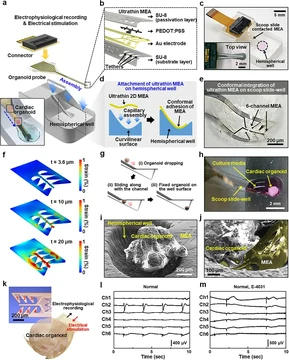
Conformable Electrodes Track Drug Responses in DMD Cardiac Organoids

A platform built around a flexible microelectrode array and scoop-shaped well combines electrical recordings with video of tissue motion. Organoids from healthy donors and patients with Duchenne muscular dystrophy show different structural features and responses to hERG blockade.