Approaches & Applications

Organoids in Drug Discovery and Evaluation

Research on patient-derived and stem-cell-derived organoids for drug response, safety and disease modeling.

Explore research using patient-derived or stem-cell-derived organoids to study drug response and disease biology. The collection spans cancer models and models of non-malignant tissues, while keeping their origins, composition and research purposes distinct.

Articles explain the tested treatment, comparison and outcome within the available original evidence. Method profiles give further detail where the source supports it. Coverage distinguishes experimental drug sensitivity, comparisons with patient outcomes and prospective evaluation.


Research & Analysis

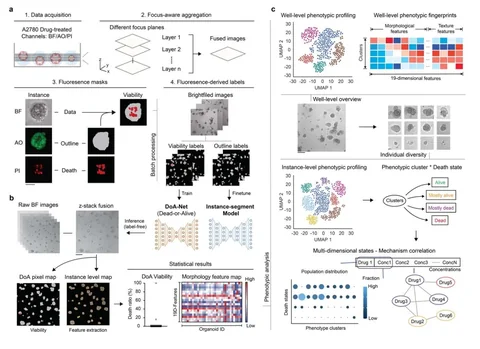
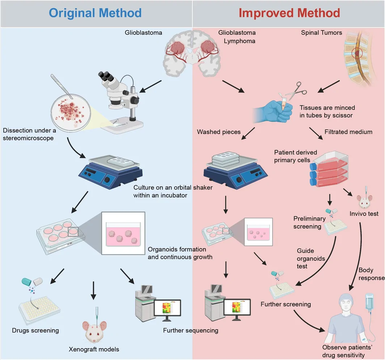
Review Weighs Image-Analysis Tools for Spheroid and Organoid Drug Screens

A review of bright-field and phase-contrast imaging finds different strengths and limits in rule-based, classical machine-learning and deep-learning analysis of spheroids and organoids. Dataset shifts, segmentation failures and two-dimensional projections remain practical concerns.

Droplet Organoids Support Compound and CRISPR Screens

A bioRxiv preprint describes Matrigel-droplet tumor organoids used to screen more than 5,000 clinical compounds and run pooled CRISPR perturbations. The authors report candidate drug opportunities beyond genomic profiling and a UXS1-linked cell-state change in a stomach cancer model.

Valproic Acid Changes miRNA Profiles in Human Hippocampal Organoids

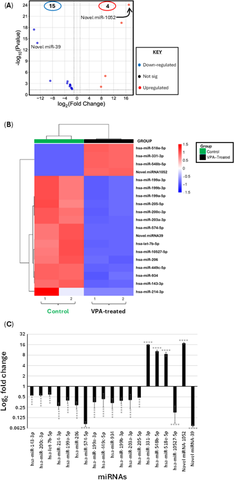
Researchers exposed human hippocampal organoids to valproic acid for four days, then profiled mRNA and miRNA. They found 19 altered miRNAs and tested selected target sequences in HEK-293T reporter cells, with limited replication from one iPSC line.

Wolman Disease Organoids Reveal a Biliary Response to Liver Injury

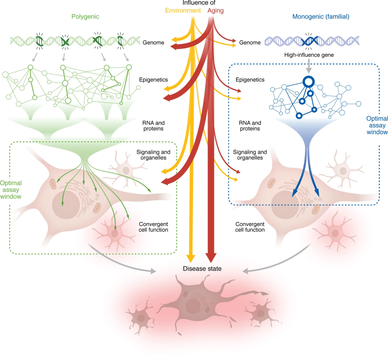
Isogenic human liver organoids with LIPA loss reproduced lipid accumulation and multicellular inflammatory and biliary responses with increased fibrogenic gene expression. Restoring LIPA in hepatocyte-like cells attenuated these molecular signals.

GSK3B Inhibition Improves Myelination in APOE4 Brain Organoids

Researchers linked APOE4-associated lipid accumulation in human oligodendrocytes to altered Wnt/GSK3B signaling. A GSK3B inhibitor reduced lipid droplets in cell cultures and increased myelination in brain organoids; the findings remain preclinical.

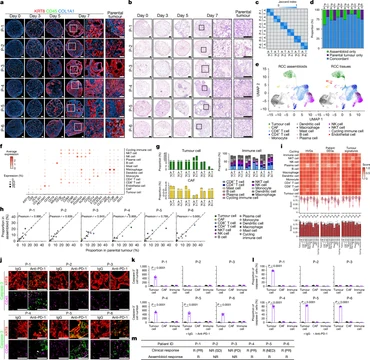
FAP-Targeted IFNγ Agonists Tested in Colorectal Cancer Assembloids

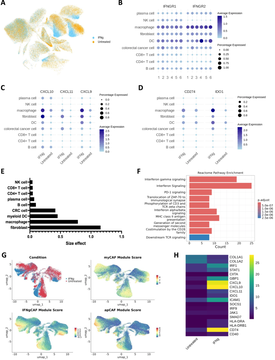
Roche used patient-derived colorectal tumor assembloids to compare its engineered FAP-targeted IFNγ agonists with recombinant IFNγ and an untargeted reference. The targeted constructs induced some immune signals with less PD-L1, while Ki67 and CD8 migration changes did not reach significance.

Cortical Organoids Show Limited Effects After Brief Acetaminophen Exposure

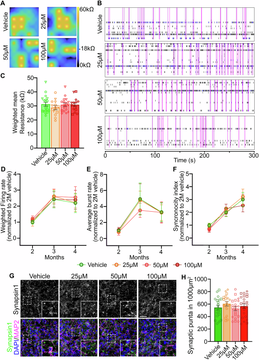
Researchers exposed human cortical organoids to acetaminophen for five days and followed structural, transcriptomic and network outcomes for several months. Small early transcriptional changes did not translate into detectable differences in later cellular composition or the measured functional endpoints.

Conformable Electrodes Track Drug Responses in DMD Cardiac Organoids

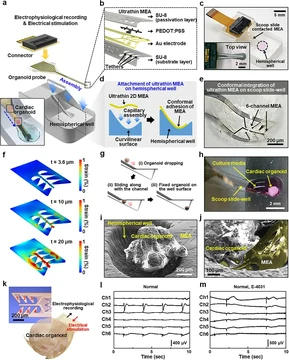
A platform built around a flexible microelectrode array and scoop-shaped well combines electrical recordings with video of tissue motion. Organoids from healthy donors and patients with Duchenne muscular dystrophy show different structural features and responses to hERG blockade.